Skip to content
Coffee Guide

How to Choose Single-Origin Coffee

Learn how origin, processing, roast style, freshness, and brew method shape a single-origin coffee so you can choose beans that suit your cup.

By Foundry Coffee Roasters
· 5 min read
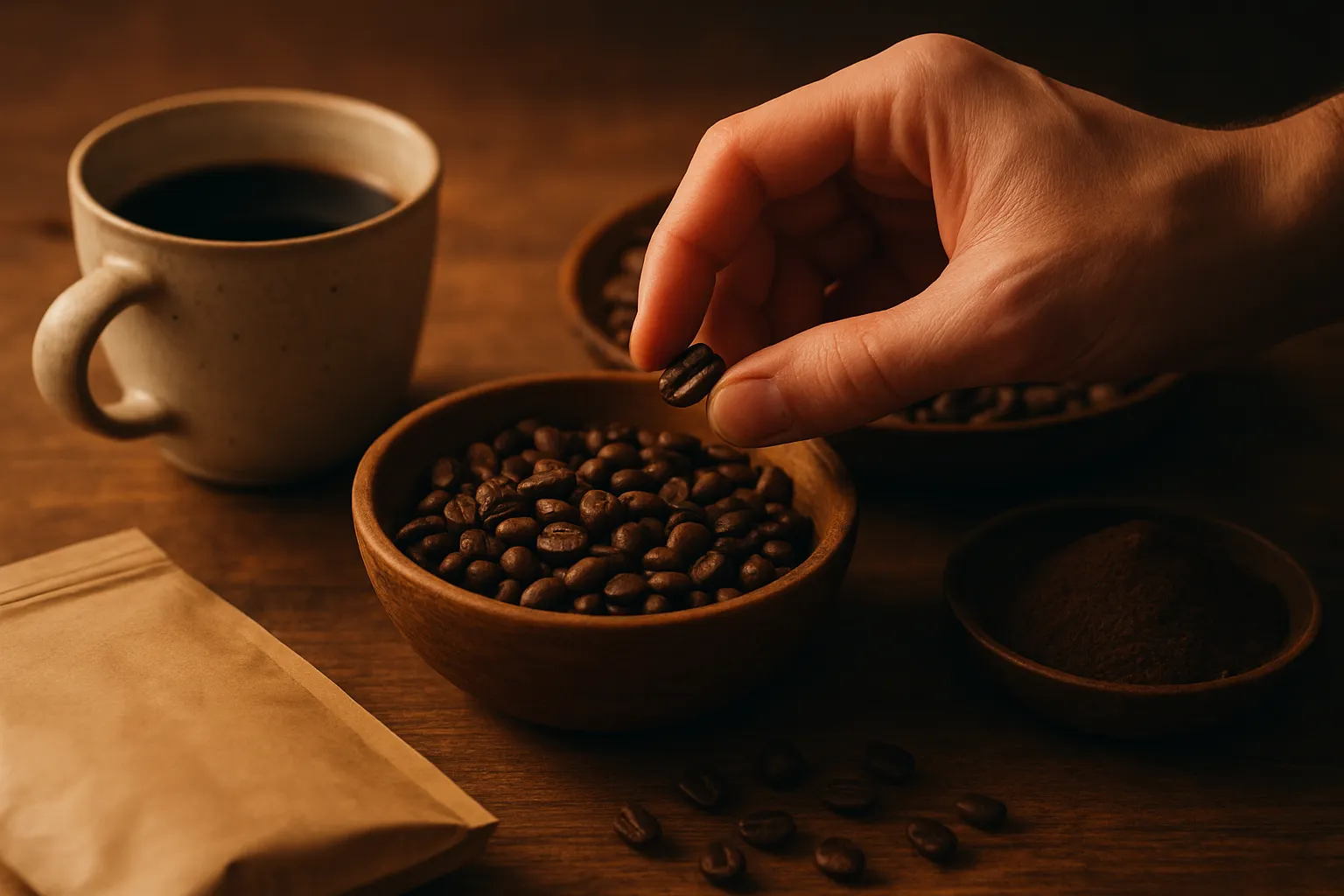
Photo illustrating: How to Choose Single-Origin Coffee

Choosing a single-origin coffee can feel confusing when every bag lists a different region, process, roast style, and set of tasting notes. This guide is for home brewers and cafe visitors who want to understand those details without needing specialist vocabulary.

You will learn how to compare coffees from regions such as Chikmagalur, Coorg, and Araku, match a bean to your preferred brew method, and make a confident choice based on the flavours and mouthfeel you enjoy.

Key takeaways

  • Origin is a starting point; processing, roast, freshness, and brewing also shape flavour.
  • Choose flavour descriptions that match the kind of cup you already enjoy.
  • Match the beans to your main brew method and adjust one brewing variable at a time.
  • Store beans well, grind shortly before brewing, and keep simple tasting notes.

What single-origin means

Single-origin coffee is sourced from one defined geographic origin, such as a country, region, estate, or cooperative, depending on how the roaster labels it. Because the coffee comes from a narrower origin, its character can be easier to trace than a blend, although flavour still varies by variety, processing, roast, and preparation.

Origin is a useful starting point rather than a guarantee of one fixed taste. Coffee from the same region can taste different across harvests and producers, so use the full information on the bag and your own palate as guides.

Start with the flavours you enjoy

Think first about the cups you already like. If you prefer a bright, tea-like coffee with citrus or floral notes, look for descriptions such as lively, clean, or fruit-forward. If you enjoy a fuller, rounder cup, chocolate, caramel, nut, and spice notes may be a better direction.

Tasting notes are comparisons, not added ingredients. They describe aromas and flavours that may emerge when the coffee is brewed well. A coffee described with fruit notes does not necessarily taste sweet like fruit juice, and your brewing method can change how clearly those notes appear.

Compare origin and processing

Origin reflects where the coffee was grown, while processing describes what happens to the coffee fruit after harvest. Washed coffees often present a cleaner, more defined profile; natural coffees can show more pronounced fruit character and body; honey or pulped-natural processing may sit somewhere between. These are broad tendencies, not rules.

When comparing two bags, change only one factor at a time where possible. Looking at coffees with a similar roast style but different origins can help you notice regional differences. Comparing different processes from the same region can show how processing affects the cup.

Match the coffee to your brew method

Choose beans that suit how you actually prepare coffee. Filter methods such as pour-over, AeroPress, and manual brewing often showcase clarity and delicate flavours. Espresso generally benefits from a coffee roasted and developed for concentration, balance, and reliable extraction, whether that is a single origin or a blend.

A coffee can work across methods, but the grind, dose, water, and recipe need adjustment. Ask the roaster whether the beans are recommended for filter, espresso, or both, then make small changes rather than changing every variable at once.

Check roast date and buy the right amount

Freshness matters because coffee aromas gradually fade after roasting. Look for a roast date rather than relying only on a vague freshness claim, and store the beans sealed in a cool, dry place away from light and moisture. Grinding just before brewing helps preserve more aroma.

Buy an amount you can use while the coffee still tastes lively for your routine. If you are exploring a new origin, a smaller bag can make it easier to learn whether the profile suits you before committing to more.

Taste, adjust, and keep notes

Brew the coffee consistently the first time so you can judge it fairly. If the cup tastes sour or sharp, it may need a finer grind, more contact time, or a different recipe. If it tastes bitter or dry, try a coarser grind, less contact time, or slightly cooler water. Make one adjustment at a time.

Write down the origin, process, recipe, and what you taste. Notes such as bright, heavy, sweet, dry, clean, or floral are enough. Over time, this creates a personal guide that is more useful than choosing only by region or packaging.

  • Use the same recipe when comparing two coffees.
  • Ask for brew guidance if the bag information is unclear.
  • Taste the coffee more than once before deciding whether it suits you.

Frequently asked questions

Is single-origin coffee stronger than a blend?

Not necessarily. Strength depends largely on the recipe, dose, extraction, and roast. Single-origin describes sourcing, not caffeine level or intensity.

Which single-origin coffee is best for beginners?

Start with a balanced coffee whose description includes familiar notes such as chocolate, caramel, nuts, or citrus. A roaster can recommend an approachable option based on your brew method.

Can I use single-origin coffee for espresso?

Yes. Many single origins work well as espresso when the roast and recipe are suited to the coffee. Expect to adjust grind size and extraction as the beans change.

How should I store single-origin beans?

Keep them in an airtight container in a cool, dry place away from light and heat. Avoid moisture and grind only what you need for each brew.

What should I ask a coffee roaster before buying?

Ask about the roast date, processing method, recommended brew methods, flavour profile, and grind guidance. These details help you choose more reliably than origin alone.

Find Your Next Favourite Cup

Visit Foundry Coffee Roasters in Indiranagar or ask our team for a single-origin recommendation suited to your brew method.

Foundry Coffee Roasters
From Chikmagalur, Coorg, and Araku to your cup, with filter brews, espresso, brunch, and roast-to-order beans in Indiranagar.
Our services →
Share this article WhatsApp LinkedIn
← All posts